Mold Detection in Bergen County, NJ
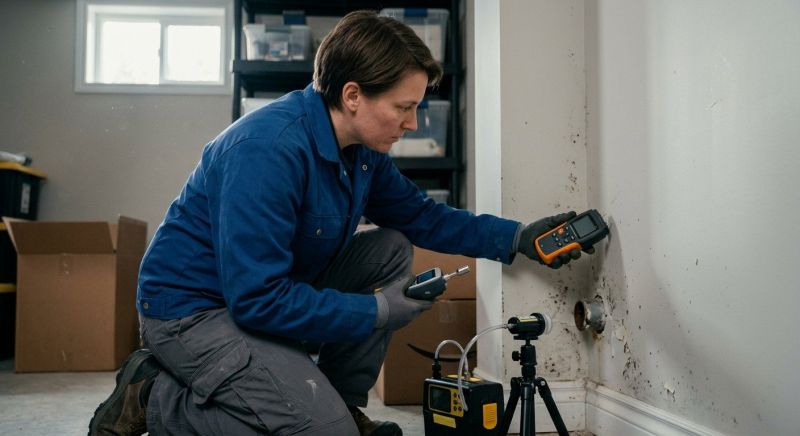
Mold detection services help homeowners identify the presence of mold growth within a property, often before it becomes visible or causes noticeable issues. This service typically involves thorough inspections of areas prone to moisture, such as basements, bathrooms, kitchens, and around plumbing fixtures. Property owners may request mold detection during renovations, after water damage, or if they notice musty odors or unexplained health symptoms. Understanding the scope of the inspection and what triggers a mold assessment can help homeowners determine if this service is appropriate for their situation.
Before requesting mold detection, property owners should consider any recent water leaks, flooding, or high humidity levels that could contribute to mold growth. It’s useful to know if there are visible signs of mold or if health concerns, such as allergies or respiratory issues, have arisen. Clear communication about the areas of concern and any past water-related incidents can assist in planning an effective inspection. Mold detection services aim to provide clarity about potential hidden mold issues, supporting homeowners in making informed decisions about their property’s health and safety.
Many property owners in Bergen County, NJ look into Mold Detection for repairs, replacements, upgrades, and appearance-related improvements.
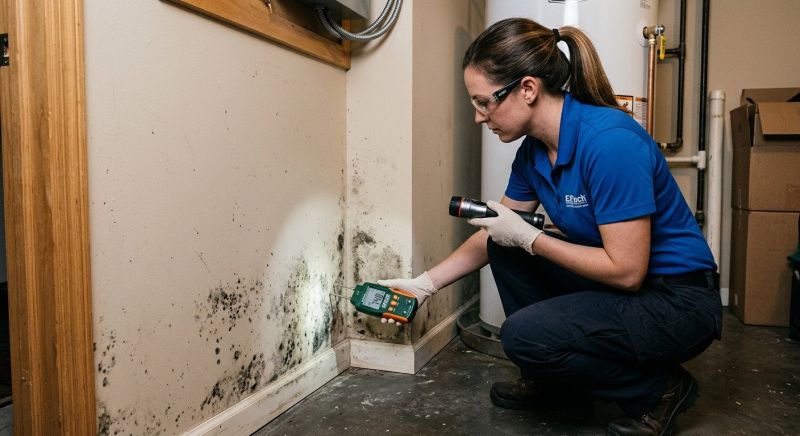
Identifying Hidden Mold
Comprehensive testing can reveal mold presence in hard-to-see areas of bergen county homes.
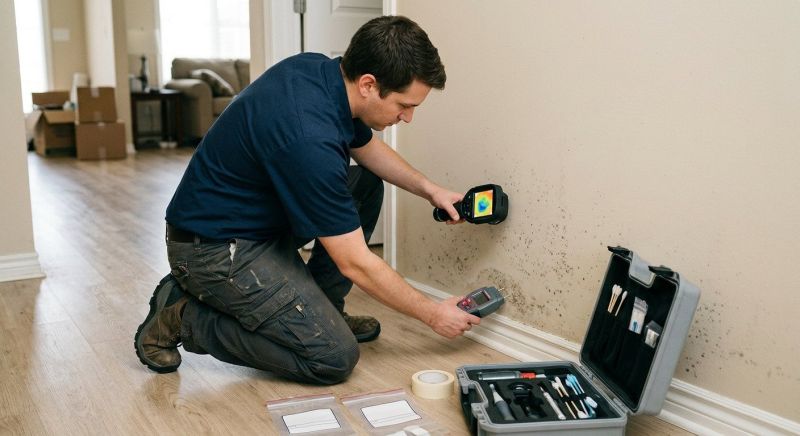
Health And Safety Assurance
Detecting mold early helps protect residents from potential health issues caused by mold exposure.
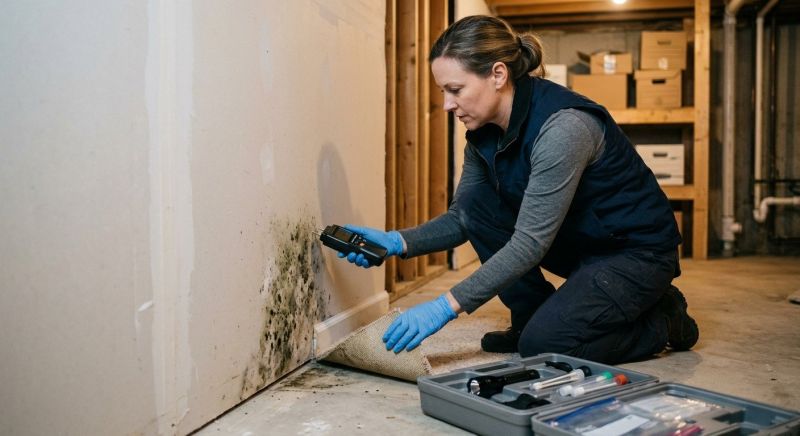
Preventing Structural Damage
Effective mold detection can prevent long-term damage to property structures and finishes.
Mold Detection in Bergen County, NJ

Mold detection services help homeowners identify the presence of mold growth within a property, often before it becomes visible or causes noticeable issues. This service typically involves thorough inspections of areas prone to moisture, such as basements, bathrooms, kitchens, and around plumbing fixtures. Property owners may request mold detection during renovations, after water damage, or if they notice musty odors or unexplained health symptoms. Understanding the scope of the inspection and what triggers a mold assessment can help homeowners determine if this service is appropriate for their situation.
Before requesting mold detection, property owners should consider any recent water leaks, flooding, or high humidity levels that could contribute to mold growth. It’s useful to know if there are visible signs of mold or if health concerns, such as allergies or respiratory issues, have arisen. Clear communication about the areas of concern and any past water-related incidents can assist in planning an effective inspection. Mold detection services aim to provide clarity about potential hidden mold issues, supporting homeowners in making informed decisions about their property’s health and safety.
Many property owners in Bergen County, NJ look into Mold Detection for repairs, replacements, upgrades, and appearance-related improvements.
Common Mold Detection Jobs
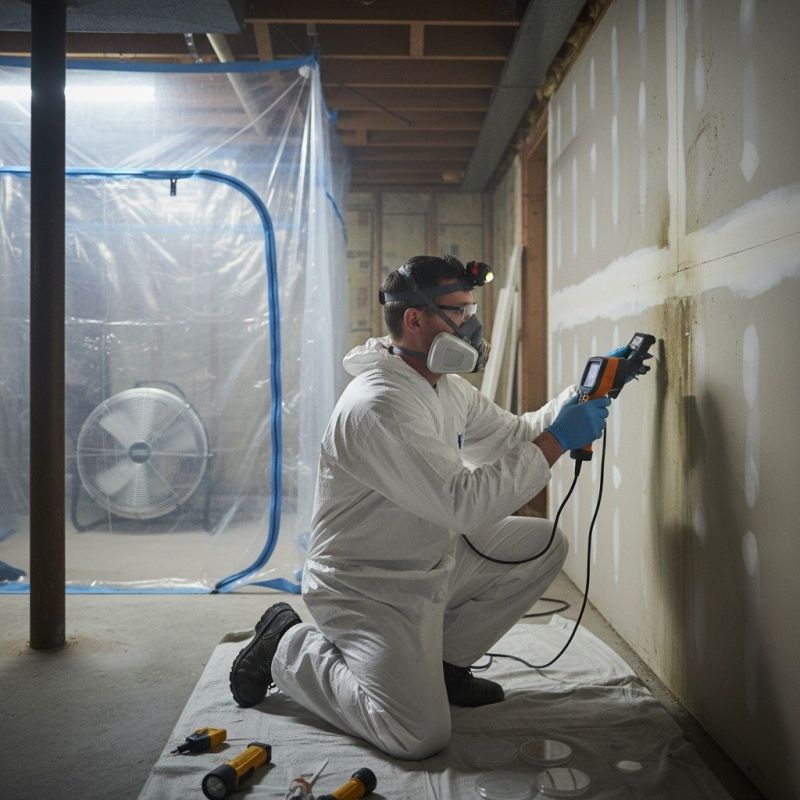
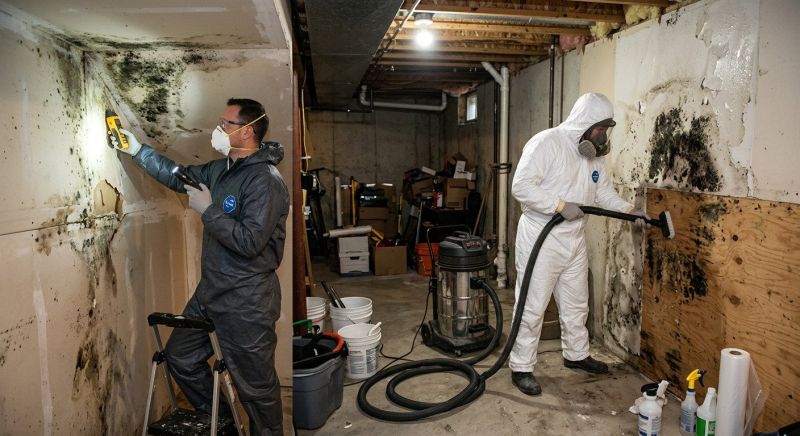
Mold Inspection - thorough assessments to identify hidden mold growth inside walls, ceilings, and other areas.
Moisture Testing - detecting excess moisture levels that can promote mold development.
Indoor Air Quality Testing - measuring mold spores and airborne contaminants in living spaces.
Hidden Mold Detection - locating mold behind surfaces and within structural components.
Post-Remediation Testing - verifying mold removal effectiveness after cleanup efforts.
Leak and Water Damage Inspection - identifying sources of moisture that could lead to mold issues.
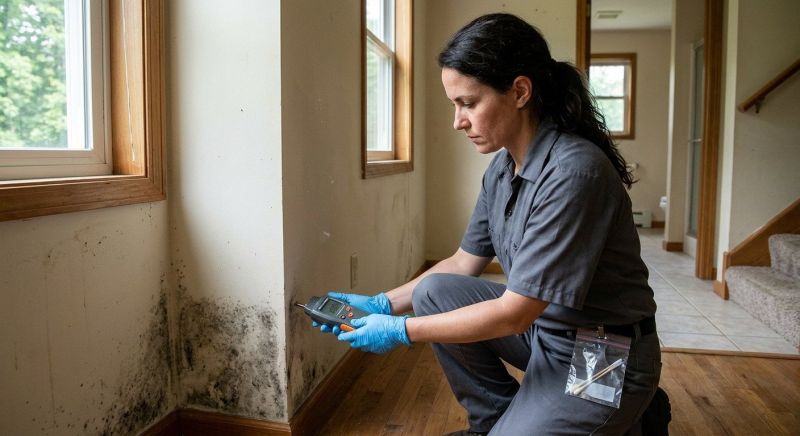
Mold Detection Questions
What is mold detection? Mold detection involves identifying the presence of mold spores and growth in a property to determine if mold is affecting indoor air quality or surfaces.
When should mold detection be considered? Mold detection is recommended if there are signs of water damage, persistent odors, or visible mold growth in the property.
What methods are used for mold detection? Non-invasive inspections and air quality testing are common methods used to locate mold sources and assess contamination levels.
Why is mold detection important? Detecting mold early helps prevent health issues and reduces the potential for property damage caused by hidden mold growth.
Request Mold Detection in Bergen County, NJ
Use the quote form on this page to share the basics of your project and request more information for the type of work you need.